
SAFe
ROAM risks
PI Planning


A hands-on playbook for using Lean and Agile practices to make SAFe PI Planning actually drive predictability and flow.
SAFe PI Planning gets a lot of attention in large‑scale agile adoptions, and for good reason: it is where strategy, teams, and dependencies converge. But many enterprises discover that—even after investing heavily in training and orchestration—the weeks that follow PI Planning feel chaotic. Work in progress explodes, dependencies slip, unplanned work consumes capacity, and by the end of the increment, objectives are only partially met. The root cause is rarely "bad teams"; it is a shallow application of Lean and Agile practices during execution.
Lean and Agile provide a set of principles and techniques for turning ambitious plans into stable, predictable delivery. Lean, as adapted to software development and described at Lean Software Development, emphasizes eliminating waste, amplifying learning, delivering fast, and optimizing the whole. Agile, grounded in the 12 principles at Agile Manifesto Principles, calls for sustainable pacing, close collaboration between business and technology, and frequent reflection. For large programs, this means treating the PI not as a fixed contract, but as a hypothesized path to outcomes that will be refined as data emerges.
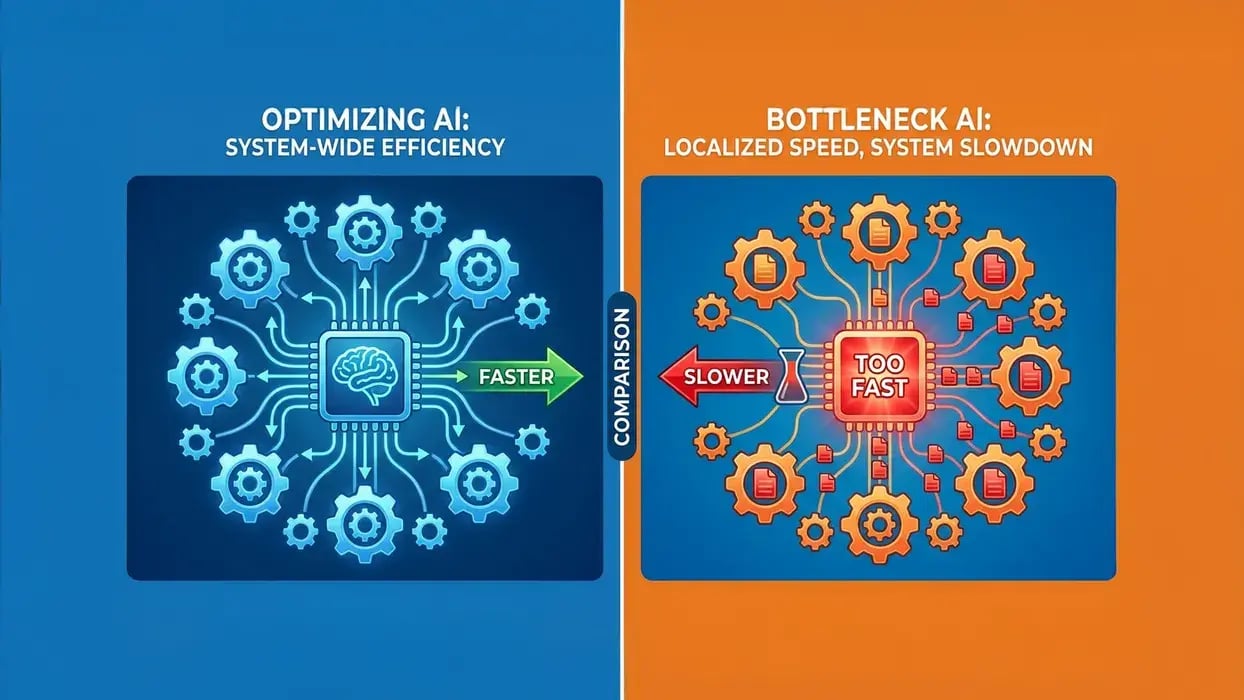
Begin by clarifying what "execution" means in your context. It is not simply teams burning down stories; it is the entire value stream from feature commitment through integration, validation, and release. Planview’s write‑up on Lean development at Planview Lean Development explains why optimizing isolated stages—analysis, development, testing—creates local efficiencies but system‑level delays. During the PI, your goal is to ensure that features progress smoothly across these stages, minimizing waiting, handoffs, and rework. That requires explicit policies, visible work, and leaders engaged in removing constraints rather than micromanaging tasks.
Execution success also depends on how well teams understand and internalize Lean‑Agile principles. If they see them as "extra process" instead of supports for better outcomes, practices will erode under pressure. Atlassian’s explanation of Lean project management at Atlassian Lean Project Management and Apptio’s Lean‑Agile principles guide at Apptio Lean‑Agile Principles can help you re‑frame these practices in language that resonates with portfolio leaders and executives: fewer surprises, faster learning, and more reliable delivery against strategic themes.
Once plans are in place, the real test of Lean and Agile understanding begins. The most elegant PI Planning event will fail to produce predictable outcomes if execution practices are fragile. Lean and Agile give you a toolbox for stabilizing delivery while retaining adaptability: manage WIP rigorously, visualize flow, build in quality, and shorten feedback loops between teams, systems, and stakeholders. For large programs, this means making Kanban and flow metrics first‑class citizens alongside Scrum, user stories, and features.
Start with WIP and visualization at every level. At the team level, keep boards simple and explicit: a clear Ready queue, minimal in‑progress states, Done tied directly to your Definition of Done. At the program or Agile Release Train level, maintain a program Kanban with explicit policies for feature readiness, implementation, validation, and release. Atlassian’s discussion of Lean vs. Agile at Atlassian Lean vs. Agile is a useful reference to explain why Kanban and WIP limits are not just for operations—they are essential to protecting focus during PI execution.
Next, make flow and quality metrics visible and actionable. Rather than sprint burndowns and velocity alone, focus on end‑to‑end Flow Time from feature commitment to release, Flow Load (how much work is in progress), and basic stability signals such as escaped defect trends and deployment failure rates. External guides such as Planview’s Lean development overview at Planview Lean Development and Agile Velocity’s Lean principles article at Agile Velocity Lean Principles illustrate how these metrics expose systemic bottlenecks. Use them in regular ART syncs so leaders remove constraints—environment conflicts, delayed approvals, vendor dependencies—instead of pressuring teams to "go faster".
Building quality in during execution is equally critical. Practices like test‑driven development, continuous integration, and automated regression suites are not engineering luxuries; they are the only sustainable way to support high‑cadence releases without accumulating crippling technical debt. The Lean software development principles at Lean Software Development and the Agile Alliance’s 12 principles at Agile Manifesto Principles both emphasize continuous attention to technical excellence and working software as the primary measure of progress. During the PI, this translates into frequent integrated demos, proactive defect prevention, and clear policies that unfinished or low‑quality work does not advance on the board simply to "look green".
Governance during and after execution should reinforce Lean‑Agile principles, not undermine them. Replace status‑only review meetings with short, decision‑oriented checkpoints that examine objective data: Which objectives are at risk, what are the economic implications, and where is flow impeded? SAFe’s Lean‑Agile principles at SAFe Lean‑Agile Principles highlight basing milestones on objective evaluation of working systems. Use this to shift governance conversations away from slideware and toward live systems, customer feedback, and measurable outcomes.
Risk and learning deserve a dedicated cadence. Many organizations perform an Inspect & Adapt at the end of the PI, but limit it to a retro and a problem‑solving workshop. To truly embed Lean, treat Inspect & Adapt as your system’s improvement engine. Analyze your flow and outcome data over the PI: where did work get stuck, which dependencies repeated, which quality issues spiked? Use techniques from Lean and agile leadership guidance—such as the agile leadership principles at ICAgile Agile Leadership and the Agile Business Consortium’s nine principles at Nine Principles of Agile Leadership—to ensure leaders own systemic improvements instead of delegating them to teams alone.
Finally, treat every PI as a hypothesis, not a contract. Even with excellent planning, new information will emerge—market shifts, regulatory interpretation changes, architectural discoveries. Lean’s "decide as late as possible" principle does not mean postponing decisions randomly; it means keeping options open and making informed choices when the cost of delay outweighs the cost of change. External resources like Apptio’s Lean‑Agile primer at Apptio Lean‑Agile Principles and Atlassian’s Lean project management article at Atlassian Lean Project Management can help you explain to finance and governance partners why mid‑PI adjustments based on data increase, rather than reduce, overall predictability. When execution governance honors Lean and Agile principles instead of fighting them, PI Planning becomes a powerful engine for continuous, reliable value delivery instead of a twice‑yearly ceremony.